|
|
||||||||||||||||||||||||||||||||||||||||||||||||||||||||||||||||||||||||||||||||||||||||||||||||||||||||||||||||||||||||||||||||||||||||||||||||||||||||||||||||||||||||||||||||||||||||||||||||||||||||||||||||||||||||||||||||||||||||||||||||||||||||||||||||||||||||||||||||||||
|
Ashland County HS Sports Teams, Ohio 1921 - 1963 |
||||||||||||||||||||||||||||||||||||||||||||||||||||||||||||||||||||||||||||||||||||||||||||||||||||||||||||||||||||||||||||||||||||||||||||||||||||||||||||||||||||||||||||||||||||||||||||||||||||||||||||||||||||||||||||||||||||||||||||||||||||||||||||||||||||||||||||||||||||
|
|
|
|||||||||||||||||||||||||||||||||||||||||||||||||||||||||||||||||||||||||||||||||||||||||||||||||||||||||||||||||||||||||||||||||||||||||||||||||||||||||||||||||||||||||||||||||||||||||||||||||||||||||||||||||||||||||||||||||||||||||||||||||||||||||||||||||||||||||||||||||||
|
|||||||||||||||||||||||||||||||||||||||||||||||||||||||||||||||||||||||||||||||||||||||||||||||||||||||||||||||||||||||||||||||||||||||||||||||||||||||||||||||||||||||||||||||||||||||||||||||||||||||||||||||||||||||||||||||||||||||||||||||||||||||||||||||||||||||||||||||||||||
Ashland County Basketball League
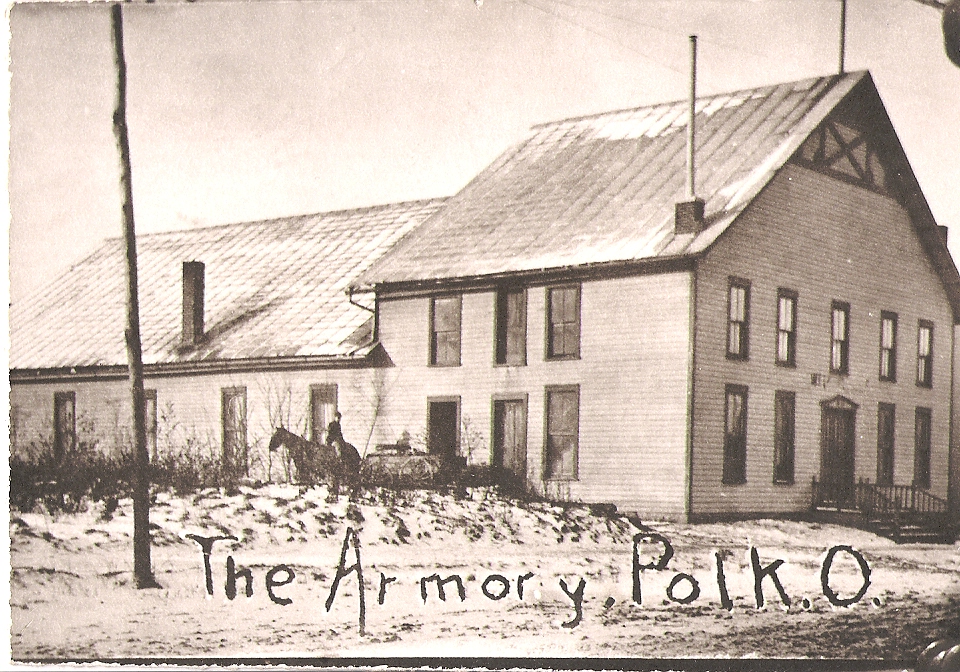
There had been several preparatory events, which was a prelude to the formation of the league. In 1921 Ashland College started a one-day invitational tournament for area Class B schools. That 6-year history is located on this web site. All of the 10-county schools participated on the first Friday of March competition without Hayesville. Also, in 1923 Ashland College ran a 9-team county tournament the week before the AC Invitational. Sullivan won the event in three-games. While Polk’s Donley had the single game high with 14-points against Albion, the most remembered player was Nova’s center Bob Lenz, who later coached Sullivan to three straight championships in the 1930’s. Clearly another motivation came from the OHSAA tournaments, which started for area Class B county schools in 1927. The first year it was held at the Ashland Armory, which still stands on East Main Street next to Osborn School. Every successive county tournament was held at the Ashland College Gym until 1963 when the tourney trail for area schools began at the Wooster Sectional, and consequently because the statewide consolidations the historic County tournaments and their glorious era of bygone thrills came to an end. Any historical recollection of the league must begin with the fabled gymnasiums. Seven of the buildings are still standing today. Numerous former players are still living with memories of the games and stories of these gyms. Clearly the Polk Armory was the most legendary site over the five decades of competition. Everyone mentions the “cables” that crossed over the floor. Others recall the draft through the north doors, and the lower basket at that end. One player remembered no showers. Although the seating was on removal wooden bleachers along the sides and in the balcony, it had the potential for over 350 spectators. Nonetheless for years the floor was the largest in the county.
For many schools in the early days the term “bandbox” described their gyms. While Hayesville played in a church, Jeromesville played in the barn on the Glenn farm, and Nankin had no gym for any home games, others had their unique quirks. The most notable characteristic was the overlapping center jump circle and the foul lanes. At Sullivan the heating ducts discouraged anyone from taking long shots beyond the foul line. At Savannah the 47-foot floor had the baskets and the out-of-bounds on the end walls. Nevertheless Bill Fast would be quick to point out that Larry Huston scored 81-points and the Sailors poured in 124-tallies in a regulation game on that floor. The later gyms served as a multi-purpose center as an auditorium with a stage, a balcony, the basketball court, and sometimes a part-time cafeteria. Everyone used the popular rollup bleachers of the era, although the Hayesville and Jeromesville gym had permanent theater seats, too. Both are still is use today. Their 58-foot length meant none of the three jump ball circles touched. The longer Perrysville floor was 65-feet, but some visitors jested that the lighting was so dim that they needed miner’s helmets to play the Admirals. In the mid-50’s Sullivan’s new gym was 75-feet long, and Savannah’s 86-foot floor with glass backboards was the envy of the county. Even Ashland High School scheduled practice games with the Sailors in preparation for their tournament games. However as one reminisces over the era thoughts turn to the Indiana basketball movie Hoosiers of the community’s passion and the packed gym that provided a proud pulse in these rural hamlets. In Ohio 70-counties with around 900-schools of 100 boys or less started their second season of hope earlier than the Class A schools and the Class B exempted villages. For 35-years fans streamed up King Road to the College Gym for the opportunity for two teams to advance to the Sectional Tournament. Many remember their parents lining up at three in the afternoon to get the first come seats. The Sectional was, also, held at Ashland College, and then another two teams advanced to the District Tournament at Kent. Only once did a runner up team in both tournaments win the third round Kent District and advance to the State Tournament in Columbus. It was the 1939 Nova Trojans, who were led by their captain Andrew “Andy” Lacy. Any nostalgia of the period must include the fans. Most of these schools were made up of hard working farming families and their kids had chores before and after school and sports. It was a time without trips to a shopping mall, which didn’t exist. The heartbeat of the community was the school and the gym was a meeting place. Also, not to be forgotten is the intense rivalries and particularly with the backyard opponents from especially their neighboring school districts. Some games and bittersweet losses have been rehearsed even into the next generations, while wins and championships have been extolled for a lifetime. Even grandchildren repeat the stories of what happened in the games. Another story of those times is the coaches. Few coaches stayed for more than a handful of years. The small schools provided a good opportunity for a quick start, and any success led to greener pastures with more pay. The longest tenure at one school appears to be the 11-year career of Noel “Bud” Shaffer at Jeromesville (1930-41). The most successful career was Bill Tegtmeier’s ten years (1948-58) at Savannah with five league championships and seven county tournament titles. Several are in the Ashland County HOF: Bob Brownson (Jeromesville), George Donges (Albion & Polk), Tony Grant (Loudonville), Vince Barr (Savannah), Ron Bowie (Sullivan) and Bob Valentine (Jeromesville and Hillsdale). Glenn “Pop” Messner coached at three schools: Ruggles, Albion, and Jeromesville. While only Bob Valentine and Ellsworth Cox (Hayesville) lasted long into the consolidation era at Hillsdale. Meanwhile, the leading channel for county school coaches was Ashland College. The list included: Brownson, Barr, Bowie, and Messner, plus: Noel Shaffer (Jeromesville), Ralph Richards (Ruggles), Howard Rader (Polk), Maurice Lenz (Sullivan), Wade “Bus” Stoffer (Polk), Fred McClintock (Loudonville), Robert D. Smith (Hayesville), Ron Hostler (Polk), Robert D. Crowe (Ruggles-Troy), Bill Wilgus (Ruggles-Troy), Lewin Vermillion (Savannah & Perrysville), Ray Sluss (Jeromesville), Ronald Hornbeck (Perrysville), Harry Stetler (Loudonville), Tony Marley (Polk) and others. Several other factors changed the game over the four decades of county basketball. The coaching strategies and the rules of the game were constantly evolving. The single greatest change was the elimination of the center jump after every basket after the 1937 season. While the man-to-man defense was preferred by purist, the zone defense in the small gyms became the most popular by the 1930’s. The 10-second rule to cross mid-court and 5-second guarding rule were established in the early 30’s. In 1935 the 3-second violation was installed in the 6-foot free throw lane. The offensive emphasis was on the two-set shot and the underhand free throw, also, with two hands. Dribbling was discouraged, while passing was the admired skill. Of course the scores remained low with mostly championship teams reaching above the 40-point barrier. The game sped up after 1938, when the ball was taken out-of-bounds after each basket. The fast break appeared and the one-hand jump shot started the high scoring era that made basketball a popular spectator sport. By the mid-1940s unlimited substitution and 5-fouls per player became the rule. Coaches were permitted to talk to their players during a timeout. The new molded basketball encouraged dribbling and the racehorse game introduced the modern era of high scoring contests. In 1945 Savannah broke the county record with 97-points and Paul Cline had 39 of their points. In 1952 the Sailors were the first County school to crack the century mark with a 101-54 win over Polk. In 1954 Perrysville hit the 110 mark, but the Admirals were overshadowed by the news that Bevo Francis of Rio Grande College had scored 113 points the same weekend. The Golden Flashes of Ruggles-Troy under Bill Wilgus and led by Allen Moody and Dick Heitz averaged 101 points for the first four games of the 1955 season. Few had regard for stats like rebounds, assists, or steals. The gold standard was point-per-game either by the team or an individual. Finally, and the most memorable stories were the players. The upper echelon of ACL roundballers included the thousand-point Career scorers. The all-time number one in Ashland County was Larry Huston of Savannah (1955), who scored 2469 points, and holds the single game record with 81 points against Perrysville in the old Savannah gym. He averaged 45.2 ppg in the 1954-55 season. That senior year the scoring race between him and Rex Leach of Vienna drew statewide attention, when they both became the first Ohio schoolboys to surpass 1200 points. The campaign ended at the Kent District Finals, when Vienna defeated the Sailors before a capacity crowd of 8,400 fans. The Fliers won 75-57 and Leach won the duel 38-27. Nevertheless Larry was the first County player to earned AP first-team All-Ohio honors. Ashland Times-Gazette sportswriter Doug Haidet wrote a tremendous article on Larry Huston’s career and the Rex Leach battle (March 21, 2015). Second on the ACL list is: the Savannah’s Larry Aulger (1958) with 1408 pts. He averaged 30.2 ppg his senior year. In his junior year the Sailors reached the Regional Finals. He and Larry Huston were both were inducted in the first Ashland County Sports Hall of Fame class in 1984. The next career scorer was Marion “Shine” Zody of Perrysville (1954) with 1354 points. In 1953 in the final game of the season he tied the ACL single game record with 41-ponts. He is, also, in the ACSHOF (1986). Fourth place belongs to Joseph “Bud” Halada with 1256 pts. He played for Sullivan HS (3 years) and the consolidated Black River (1958-59). His Senior year the Pirate were 21-2 still the all-time school record, and Bud was recognize on the All-Ohio squad. The 5th ACL scorer with 1209 points was Bill Fast, a four-year starter, for Coach Bill Tegtmeier at Savannah. He captained the 1956-57 Sailors’ team that was inducted into the ACSHOF in 2014. The only other 1000-point scorer of this era was Perrysville-Loudonville’s Tom Dennison, who scored 1034 points, and led the Redbird’s to the Regional Finals in his senior year 1955-56. He scored 39-points in the Sectional Finals against the Savannah squad with Bill Fast and Larry Aulger. Just outside the millennium markers is Tom Christopher from Perrysville (1941) with 998 points. He was another inductee into the ACSHOF in 1998. Nova’s William “Red” Rock (1941) was selected to the all-tournament ACL team four straight years. Paul Weaver of Savannah (1942) set the single season record with 483 points in his senior year. In the days of the center jump after each basket Bill Krieg (Ruggles 1938) scored 657 points in four years of County basketball. Another outstanding career of that era was Kay Atterholt of Loudonville. Over his 3-year career he led the County all three years (1934-36) with 361 points, and the Red Birds had 30-straight wins and three ACL titles. The Times-Gazette trophy was retired in their trophy case and is pictured at the top of this article. The single game record by Larry Huston of 81-points outdistances everyone in County history, but he also scored 69 twice and 57 against Hayesville plus 52 in the Rittman tournament game. The final ACL game of his junior year his 57-pts against Hayesville broke the league record of 41-points., The 6”3 Ruggles-Troy center Glenn McBride and Marion Zody of Perrysville both set that record in 1952-53 season. Ironically on the final night of that campaign Zody tied McBride’s record and the Admirals cinched the ACL championship, but Savannah sophomore Larry Huston poured in 39 points perhaps foreshadowing his great career One final issue on the players during that era was their age. When the OHSAA set age limits on high school players in 1930, Claire “Bub” Wiley of Polk and Bill Biddinger of Savannah were declared ineligible for their age of 20 years old. The State controlling board revised that policy and re-instated the two for their senior year. In the late 1950’s the OHSAA reduced the age limit to 19 years old. During the Second World War the oldest players on the All-Ohio and League All-Star teams were 17-years old. It was not uncommon for high school athletes to play their final game at mid-season then leave for the draft after their 18th birthday. In closing the history on the players the County league was played entirely by White players. The only Black players in the County were the Ashland High School Roseboro brothers: John of major league baseball fame and his brother Jim, who starred on the Ohio State football team. One closing summary needs to include the opponents: the schools and their nicknames. The list will go from North to South. On the northern border: the Ruggles Indians and later the Ruggles-Troy Golden Flashes, the Nova Trojans, the Sullivan Bobcats, the Polk Presidents, the Savannah Sailors, the Jeromesville Blue Jays, the Hayesville Panthers, the Perrysville Admirals, and the Loudonville Red Birds. Albion and Nankin did not have nicknames and only participated to the mid-1930’s. The Montgomery Mounties only went to the 8th grade and only played in the Junior High basketball county tournaments. The neighboring schools around Ashland County schools that they played in football, basketball and baseball included: the northern schools: the New London Wildcats, the Homerville Cavaliers, and Spencer Redbirds. On the eastern border: the West Salem Clippers, Congress Senators, and Chester Pups (coached by the legendary Roy Bates) joined the Northwestern Huskies in 1951; and the Sterling Eagles, Creston Panthers, and Burbank Bombers consolidated into the Norwayne Bobcats in 1953. The Holmes County Schools included: the Lakeville Lakers, the Big Prairie Bulldogs, the Nashville Tigers, the Killbuck Bucks, the Glenmont Indians, the Apple Creek Aces, the Holmesville Polar Bears, the Millersburg Spartans, and the Walnut Creek Cardinals. To the South opponents were: the Bellville Blue Jays, the Butler Indians, the Howard Bulldogs, and Bladensburg. On the West were the Lucas Cubs, Madison Rams, the Union Indians, the Greenwich Shamrocks, and Shiloh.. This website has been a seven year project (2009-2016) and I am sure that some outstanding achievements during the 42-year history of these schools have been overlooked. If you have some supplement information, please email me at jmdprd36@zoominternet.net |
|||||||||||||||||||||||||||||||||||||||||||||||||||||||||||||||||||||||||||||||||||||||||||||||||||||||||||||||||||||||||||||||||||||||||||||||||||||||||||||||||||||||||||||||||||||||||||||||||||||||||||||||||||||||||||||||||||||||||||||||||||||||||||||||||||||||||||||||||||||
|
|
||||||||||||||||||||||||||||||||||||||||||||||||||||||||||||||||||||||||||||||||||||||||||||||||||||||||||||||||||||||||||||||||||||||||||||||||||||||||||||||||||||||||||||||||||||||||||||||||||||||||||||||||||||||||||||||||||||||||||||||||||||||||||||||||||||||||||||||||||||
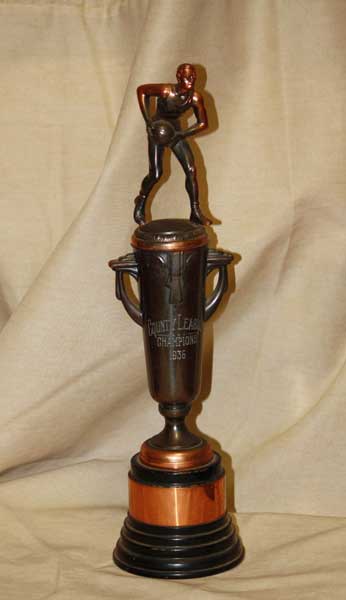 The birth of the Ashland County Class B high school league took place at the Schoolmasters’ Club on Sat. March 9, 1929. Their primary criterion was that all ten schools would have a gymnasium, and it would be fulfilled when Nova and Hayesville built gyms by the next season. Their plans included a nine-game schedule with the Times-Gazette providing a trophy cup, which would become the permanent possession of any school winning the championship three times. A committee of R.F McMullen (Sullivan), J.C. Wissinger (Perrysville), and Bill McKee (T-G sports editor) was appointed to arrange a schedule and the league plans. The first championship cup is still in the Loudonville trophy case from their three consecutive titles 1934-36.